Companies that develop and sell technologies of surveillance seem to be connected with more ways that we can imagine.
Below is an attempt to show this connections as well as the entanglement of these companies with states via a spectrum of projects.
Accessibility Tools

Companies that develop and sell technologies of surveillance seem to be connected with more ways that we can imagine.
Below is an attempt to show this connections as well as the entanglement of these companies with states via a spectrum of projects.
This project is an attempt to create a pipeline with independent AI agents to do counter-surveillance analysis. This multi-agent system, uses publibly available data from OpenStreet maps, to analyze surveillance infrastructure.
The project has two agents, up until now, has two agents.
The analysis can produce:
Under the hood the project uses a LLM and the system operates completely locally without external APIs focusing on a private and secure manner and the agents have internal memory.
Currently the agents can accessed via a Command Line Interface (CLI).
Next steps, include the development of an intuitive User Interface (UI) and a third path finding agent that will try to find routes that are not heavily surveilled, if any.
For more information on usage, you can read the README file.
Below are some examples of the system's outputs:
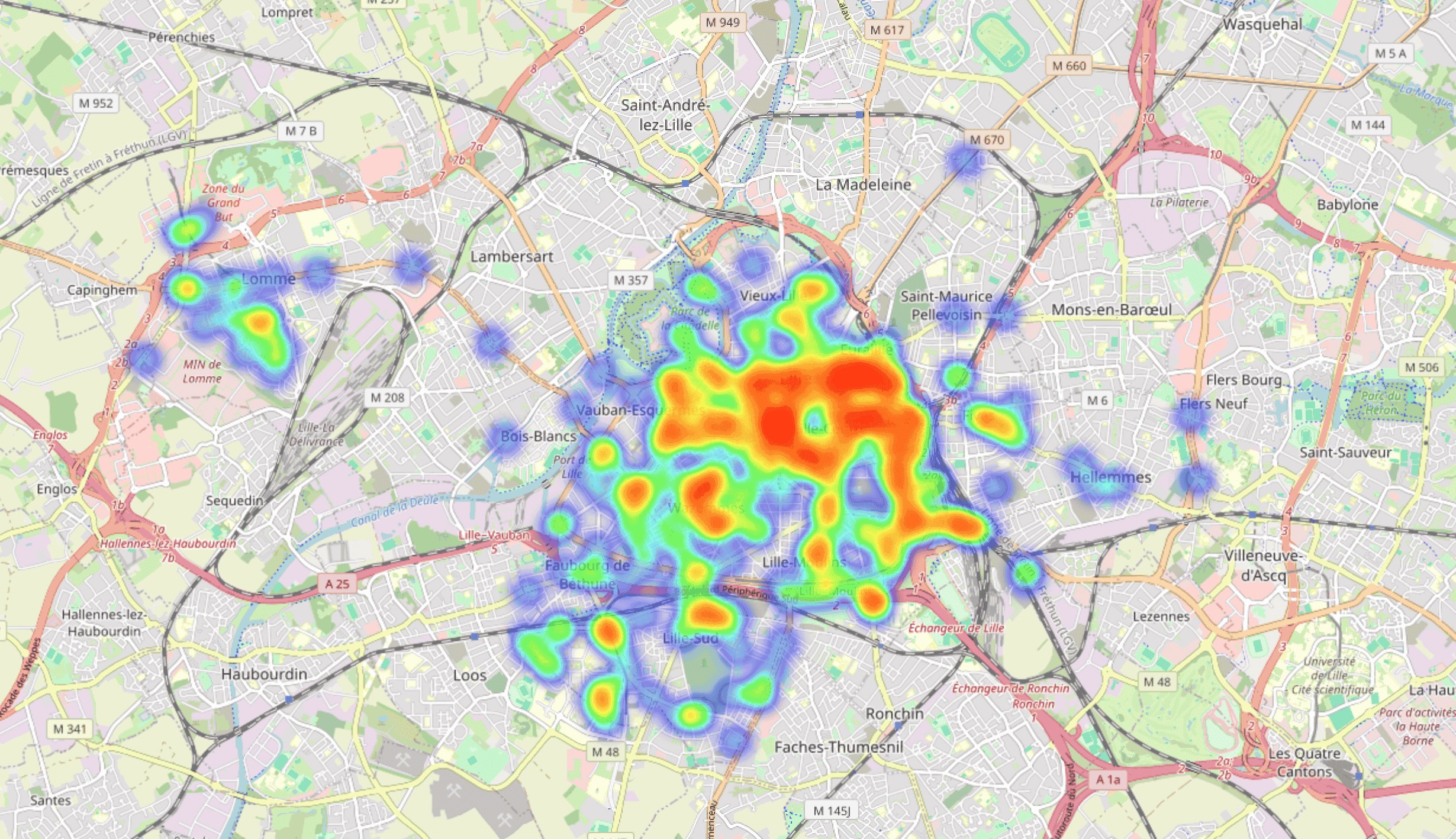
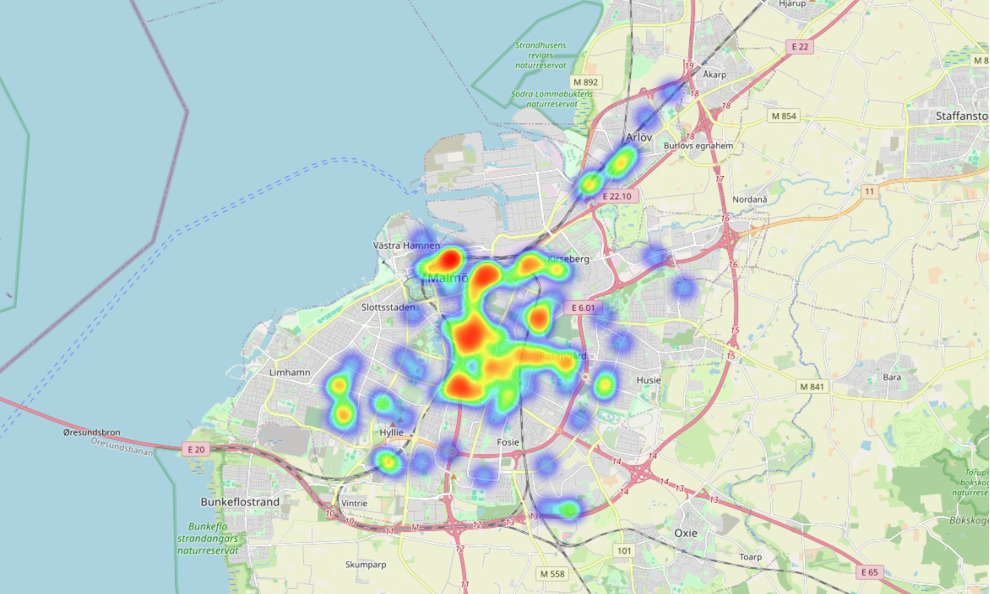
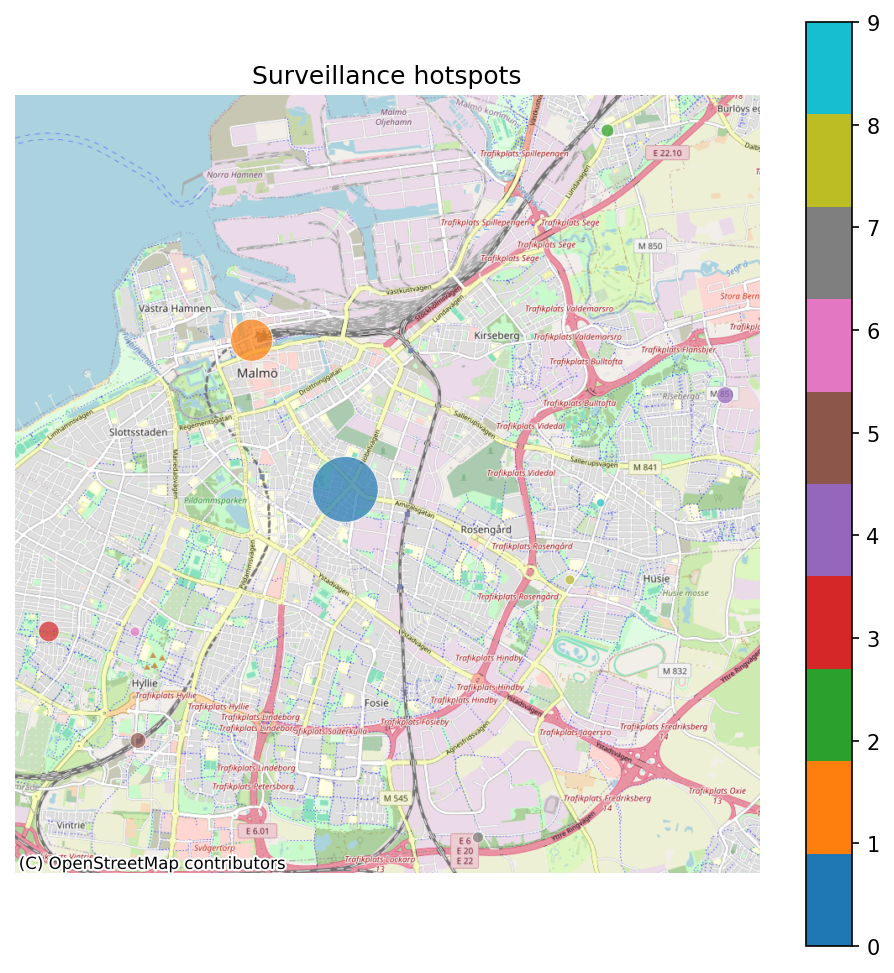
The source code of the project is open source and lives over at GitHub:
https://github.com/jethronap/UNDO-agentic
The UNDO Team.
For the past year the project has been planning and implementing workshops with activist communities in Malmö, Helsinki and Copenhagen.
The aims of these workshops are multiple. First and foremost, we try to understand and work around the restricitons set up by institutions, namely the police, in researching ubiquitous surveillance of urban spaces. Then, we try to gather requirements for potential software solutions that:
1. Could be of use to activists communities
2. Could help with research and understanding the state of the surveillance infrastructure deployed
So, moving towards this direction we have trained and developed an algorithm that can detect CCTV in provided images. This is a small fisrt step and we plan to use this simple detector on a bigger system that can detect, analyse and provide detailed descriptions of the surveillance cameras.
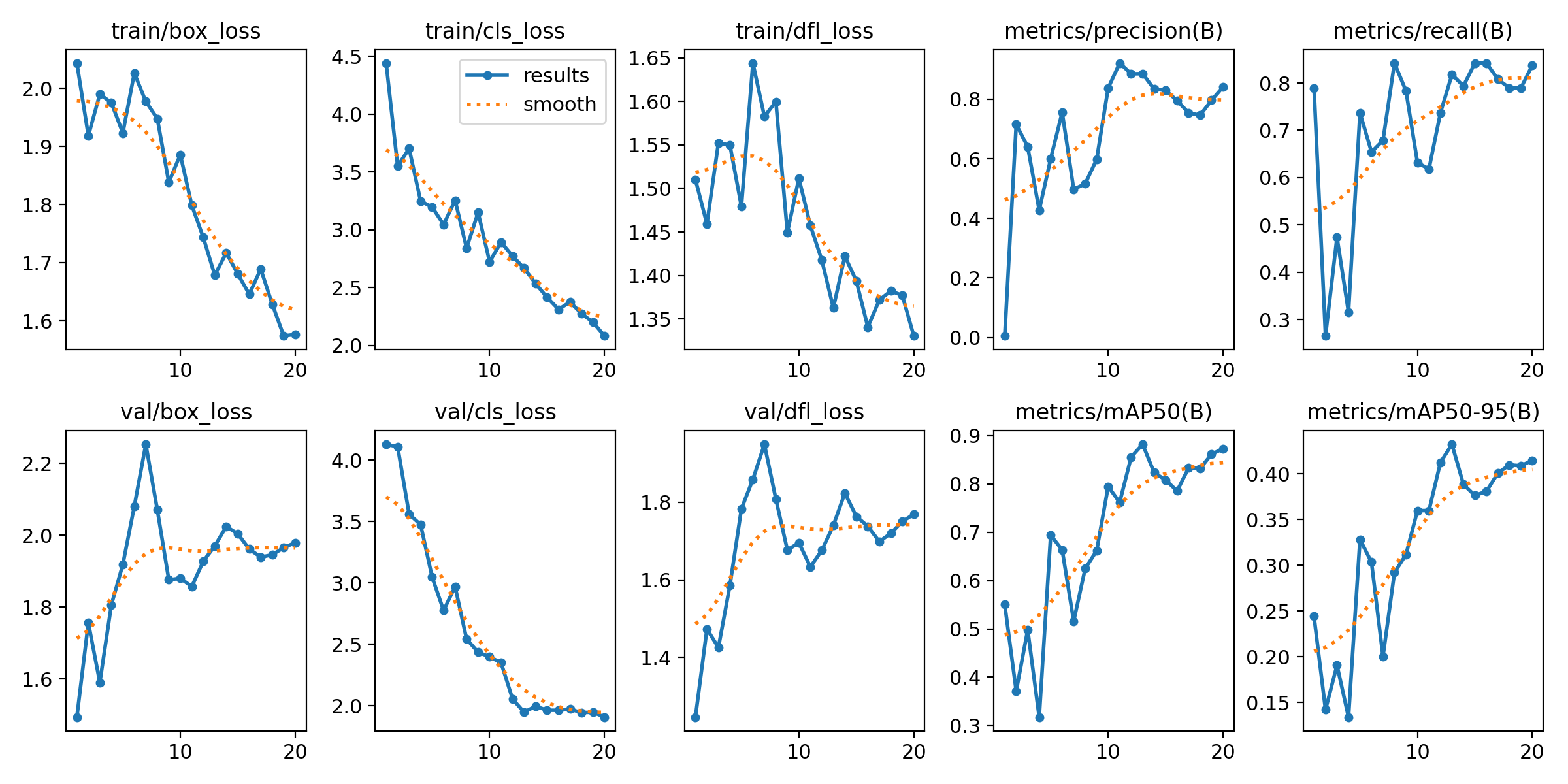
We trained a YOLO8 model on our custom dataset for 20 epochs. Most images used in training have been collected by us through ethnographic research, some images used in this project come from the dataset of the Fuziih CCTV-Exposure.
The model so far has the following detection metrics:
https://github.com/jethronap/cctv-detection-UNDO
https://huggingface.co/spaces/jnap/UNDO-project
Please contact us if you want the dataset or the weights of the model.
The UNDO team.